This post is an update to my 2021 podcast episode on the four types of PCOS. As a functional dietitian and someone who lives with this condition, I wanted to expand on that conversation and incorporate the latest research.
PCOS is often described as a heterogeneous disorder, there isn’t just one cause or one pathway that leads to the symptoms we experience. Instead, different underlying mechanisms can drive androgen excess and anovulatory cycles [Frontiers in Pharmacology, 2022, PMID:35924049].
What I often say on social media is that PCOS is a “basket diagnosis”. It’s a collection of similar symptoms that express and manifest in different ways and come from different places. Each of us has a unique pathway to our PCOS symptoms and learning the types of PCOS can help us narrow in.
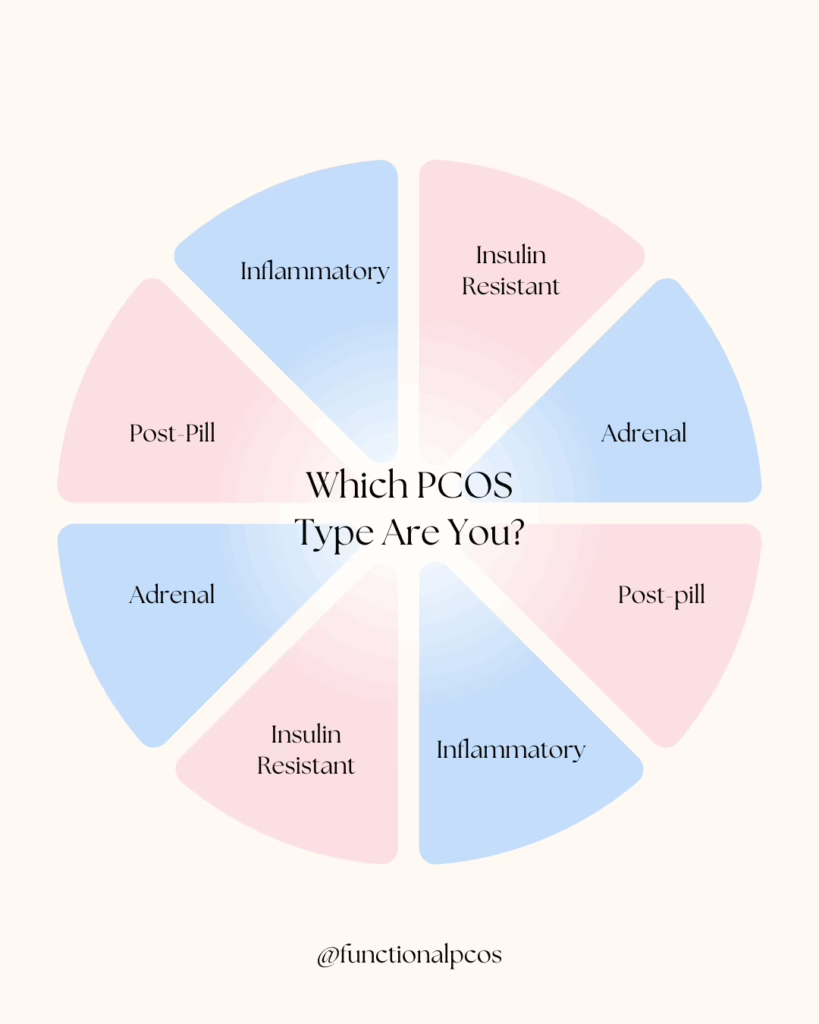
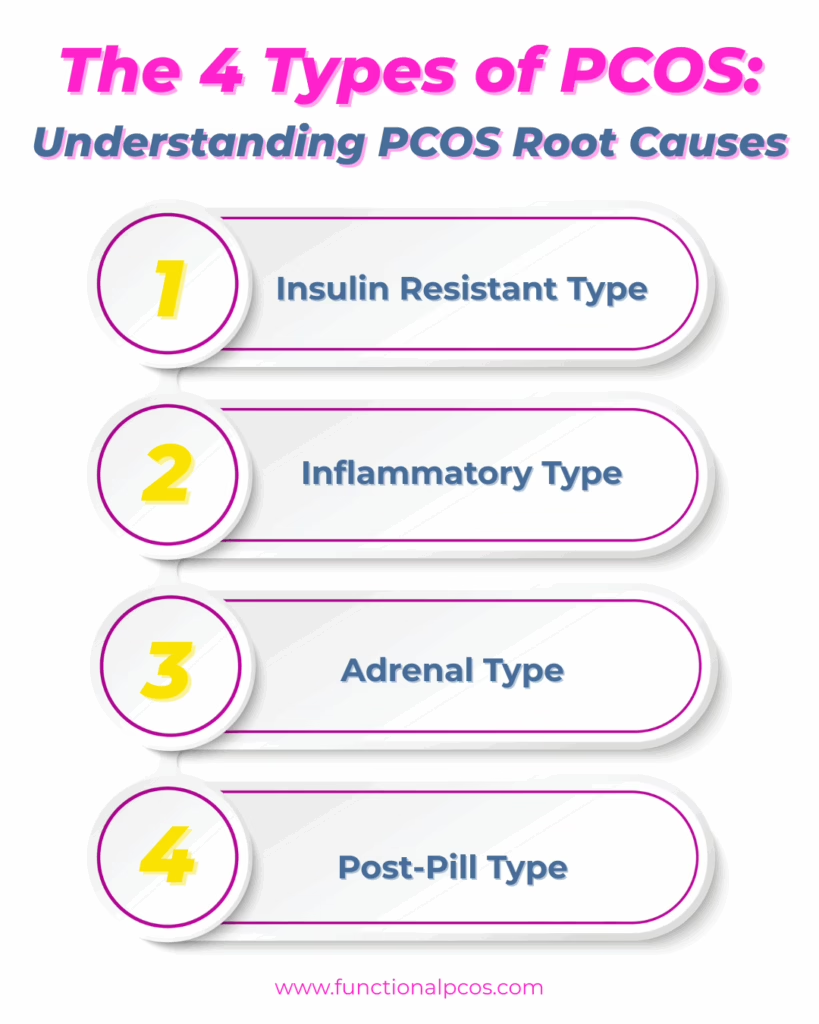
Understanding your dominant “type” can help you focus on the root causes of PCOS and choose therapies that truly serve you. In this deep dive we’ll explore the four types of PCOS: insulin‑resistant, inflammatory, adrenal and post‑pill PCOS and provide evidence‑based strategies for each.
Whether you’re newly diagnosed or a seasoned health professional, my hope is that this guide gives you confidence and clarity on your PCOS journey.
Why classify PCOS into functional types?
Polycystic ovary syndrome is the most common endocrine disorder in women and affects 6–21 % of people of reproductive age [Journal of Ovarian Research, 2023, PMID:36631836]. It is characterized by hyperandrogenism, ovulatory dysfunction and often metabolic challenges like insulin resistance and dyslipidemia.
While diagnostic criteria focus on symptoms and ovarian morphology, researchers have long recognized that PCOS is not a single disease. A review published in the Journal of Ovarian Research notes that women with PCOS usually have significant insulin resistance (IR), and that the severity of IR varies across phenotypes [Journal of Ovarian Research, 2023, PMID:36631836] . Genetic and epigenetic changes, hyperandrogenemia and obesity exacerbate Insulin Resistance.
Another paper described PCOS as a collection of symptoms caused by different underlying mechanisms [Journal of Ovarian Research, 2023, PMID:36631836].
Identifying your predominant root cause, whether it’s chronically high insulin, systemic inflammation, adrenal hormone output or a temporary post‑pill rebound can enable more tailored nutrition, lifestyle and supplement strategies. These functional types aren’t official diagnostic categories; rather, they’re clinical patterns that help us address root causes instead of just symptoms.
Ready to learn about the 4 types of PCOS? Let’s go!
What are the 4 types of PCOS?
There are 4 main types usually described when it comes to PCOS. These types are the insulin resistant type, inflammatory type, and adrenal type. A fourth, less common type is the post-pill type.
Insulin‑Resistant PCOS: The Types of PCOS
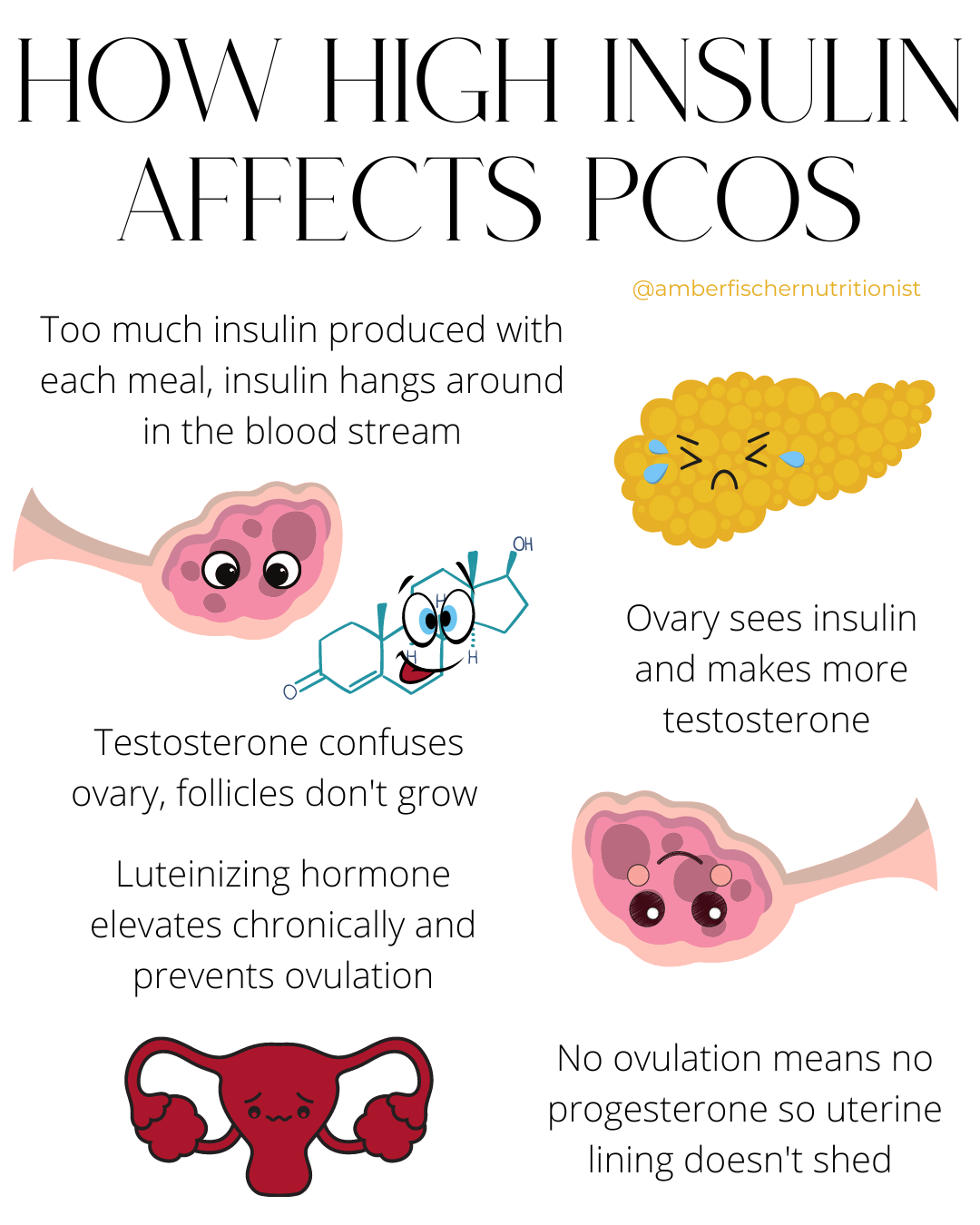
Insulin‑resistant PCOS is by far the most common of the types of pcos. Research shows that 65–95 % of women with PCOS have some degree of insulin resistance, including more than half of those who are lean [Journal of Translational Medicine, 2023, PMID:37062827]. Insulin resistance means your cells don’t respond as they should to normal amounts of insulin, so your pancreas produces more to compensate. This hyperinsulinemia drives the ovaries (and sometimes the adrenal glands) to make more androgens, which can lead to irregular ovulation, acne, hair loss and facial hair [Journal of Translational Medicine, 2023, PMID:37062827]. High insulin is also an independent risk factor for type 2 diabetes, cardiovascular disease and metabolic syndrome.

Signs and lab markers of Insulin Resistant PCOS
- Frequent sugar cravings, energy crashes and weight gain around the midsection
- Darkened patches of skin (acanthosis nigricans)
- Elevated fasting insulin or glucose, increased HOMA‑IR scores, or high triglycerides and ALT levels
- Elevated free and total testosterone on blood work
Root causes of Insulin Resistant PCOS
A combination of genetics, lifestyle and hormonal factors contribute to insulin‑resistant PCOS. Genetics may predispose some women to insulin resistance; however, sedentary lifestyles, high intake of refined carbohydrates, sleep deprivation, chronic stress and certain environmental toxins can all worsen insulin sensitivity. Obesity and hyperandrogenism further exacerbate IR. As this is one of the most common types of PCOS, it’s wise for any woman with PCOS to make changes to improve blood sugar balance.
For a deeper understanding of Insulin Resistance and PCOS, I’ve written a few articles and podcasts on the topic that I’ll share below:
PCOS Insulin Resistance: Why it Happens, Signs & Symptoms
Insulin Resistant PCOS Insulin Resistance
Nutrition and lifestyle strategies for Insulin Resistance in PCOS
- Balance blood sugar at every meal. Pair carbohydrates with protein, fiber and healthy fats to slow the release of glucose and temper insulin spikes. Aim for at least 20–30 g of protein per meal.
- Avoid ‘naked’ carbs. Eating fruit, breads or crackers by themselves sends a quick rush of sugar into the bloodstream. Always add a protein or fat.
- Reduce refined sugars and sweet drinks. Added sugars create inflammatory spikes and raise insulin. Opt for sparkling water, herbal tea or electrolyte drinks instead of sodas and juices.
- Prioritize strength training and movement. Skeletal muscle is a major sink for glucose. Resistance training and walking after meals can dramatically improve insulin sensitivity.
- Consider targeted supplements. Inositol, alpha‑lipoic acid, omega‑3 fats and chromium have been shown to support insulin sensitivity. Talk with your practitioner before starting any supplement regimen.
- Manage sleep and stress. Chronic stress and inadequate sleep raise cortisol and can worsen insulin resistance. Aim for 7-9 hours of quality sleep, build stress‑relieving practices like meditation or journaling, and support metabolic health through regular eating and appropriate exercise.
When to consider medications for Insulin Resistant PCOS
If lifestyle interventions don’t sufficiently lower insulin or if there is elevated risk for diabetes, your healthcare team may suggest insulin‑sensitizing medications such as metformin. Work with a practitioner who understands PCOS to evaluate risks and benefits.
GLP-1 medications are also more commonly being used for PCOS insulin resisitance. You can find more about the nutrition risks and benefits of GLP-1s for PCOS here.
Inflammatory PCOS: The Types of PCOS
Inflammatory PCOS occurs when chronic, low‑grade inflammation is the major driver of androgen excess. Women with PCOS often display elevated white blood cell counts and increased inflammatory markers like C‑reactive protein (CRP), interleukin‑6 and TNF‑α [Frontiers in Pharmacology, 2022, PMID:35924049].
Though potentially less common than insulin resistance, inflammation is one of the key types of pcos and some level of inflammation with pcos tends to be fairly universal. One study comparing 200 women with PCOS to 105 healthy controls found that CRP and WBC were significantly higher in the PCOS group and positively correlated with insulin levels, testosterone and androstenedione [Frontiers in Pharmacology, 2022, PMID:35924049].
The researchers concluded that increased CRP was driven by both BMI and insulin resistance, but androgen levels were also independently associated with inflammation. What this means is that chronic inflammation can stimulate the ovaries to make too much testosterone, just like insulin resistance can and that means managing inflammation is just as important as managing blood sugar [Frontiers in Pharmacology, 2022, PMID:35924049].
Because insulin resistance and inflammation go together frequently in PCOS, I designed my PCOS Foundations program (and all my other programs) to manage both of these issues at the same time. PCOS Foundations is the best place to start for PCOS management from a functional nutrition approach.
To learn more about inflammatory PCOS, here are some articles I’ve written on the topic:
Addressing Chronic Inflammation in PCOS- Where it comes from and what to do- An Amber a Day Podcast
The PCOS IBS Connection and What to Do- Season 2 Episode 10
Signs and lab markers of inflammatory PCOS: The types of PCOS
- Persistent fatigue, brain fog or mood swings
- Digestive issues such as bloating, IBS or food sensitivities
- Skin conditions like acne, eczema or psoriasis
- Joint pain, headaches or other vague inflammatory complaints
- Elevated CRP, ESR or pro‑inflammatory cytokines on blood tests
Root causes of inflammatory PCOS
Inflammation may arise from multiple sources: imbalances in gut bacteria, environmental toxin exposure, chronic infections, food intolerances, autoimmune conditions or unmanaged stress. Elevated insulin and obesity also amplify the inflammatory response. In some women, hyperandrogenism itself may provoke inflammation by stimulating adipose tissue and immune cells.
Nutrition and lifestyle strategies for chronic inflammation in PCOS
- Identify and remove triggers. Common inflammatory foods include added sugars, refined flours, seed oils and dairy. This is a very individual process and helps to work with someone one on one.
- Eat an anti‑inflammatory diet. Emphasize colorful vegetables, wild‑caught fish, extra‑virgin olive oil, berries and spices like turmeric and ginger. These foods supply antioxidants and polyphenols that calm inflammation.
- Support gut health. Fiber, fermented foods and probiotic supplementation can strengthen the gut barrier and reduce immune activation.
- Balance blood sugar and address insulin resistance. Because CRP correlates with insulin levels, use the strategies from the insulin‑resistant section to stabilize glucose.
- Get enough rest and manage stress. Inadequate sleep and chronic stress drive cortisol, which promotes inflammation. Build regular relaxation practices such as breathwork, yoga or gentle movement.
- Supplements to consider. Zinc, N‑acetyl cysteine (NAC), omega‑3 fatty acids, curcumin and vitamin D have been shown to modulate inflammatory pathways. I wrote an article on NAC since it’s my favorite of all the PCOS supplements.
Adrenal PCOS: The Four Types of PCOS
Adrenal PCOS is the least common of the types of pcos and is characterized by an overproduction of adrenal androgens rather than ovarian androgens. DHEAS (dehydroepiandrosterone sulfate) is secreted exclusively by the adrenal glands and is used as a marker for adrenal hormone production. In a retrospective analysis of 648 women aged 20–29 with PCOS, one third (33 %) had elevated DHEAS. Those with high DHEAS also had higher testosterone and androstenedione levels [Cells, 2022, PMID:36291122]. The study concluded that adrenal hyperandrogenism is more common in non‑classic PCOS phenotypes and is part of a generalized higher androgen production.
Signs and lab markers of Adrenal PCOS
- Elevated DHEAS on a blood test (often with normal or mildly elevated testosterone)
- Elevated cortisol or dysregulated cortisol (this is a home adrenal test you can do for PCOS)
- Anxiety, irritability or feeling wired despite fatigue
- Disrupted sleep patterns or trouble falling asleep
- Cravings for salty foods or extreme fatigue in the afternoon
Root causes of Adrenal PCOS: Types of PCOS
The adrenal glands respond to stress by producing cortisol and DHEAS. Chronic psychological stress, under‑eating, excessive exercise and sleep deprivation can lead to sustained cortisol output. Over time this disrupts the hypothalamic–pituitary–adrenal (HPA) axis and causes the adrenals to secrete more DHEAS. Some women with adrenal PCOS may appear lean and may not show overt insulin resistance.
Since adrenal pcos is less common than other types of PCOS, it can be hard to find information about it. Here are some articles I’ve written on adrenal pcos to help you expolore functional medicine and nutrition approaches further.:
10 Top Signs of High Cortisol and Adrenal Dysfunction in PCOS
Nutrition and lifestyle strategies for Adrenal PCOS
- Prioritize rest and stress management. Incorporate restorative practices like yoga, tai chi, stretching and diaphragmatic breathing. Therapy, journaling and time in nature can help reset the nervous system.
- Fuel your body adequately. Undereating and skipping meals are major stressors for the HPA axis. Eat balanced meals throughout the day and consider a bedtime snack if you wake in the night.
- Limit high‑intensity exercise. Replace long, intense workouts with strength training and moderate cardio. Overtraining elevates cortisol.
- Support adrenal function with nutrients. Vitamin C, B vitamins, magnesium and adaptogenic herbs such as ashwagandha or rhodiola may support adrenal resilience.
- Address underlying insulin resistance. Although adrenal PCOS can occur without high insulin, some degree of IR may still be present. Use insulin‑balancing strategies as needed.
Post‑Pill PCOS: The Types of PCOS
Post‑pill PCOS (also called post‑birth‑control PCOS) describes a temporary surge in androgens after discontinuing certain oral contraceptives and is the least common of the types of pcos. The phrase originates from clinicians who observed that some women develop acne, irregular cycles and other PCOS‑like symptoms three to six months after stopping pills containing drospirenone or cyproterone.
A 2022 review of PCOS pathogenesis mentioned post‑pill PCOS as a distinct functional pattern, while practitioner Lara Briden notes that post‑pill PCOS is usually temporary. You likely have post‑pill PCOS if you develop androgen excess after coming off the pill, do not have insulin resistance and have no signs of chronic inflammation [Frontiers in Pharmacology, 2022, PMID:35924049].
Signs and lab markers of post-pill PCOS
- Irregular or absent periods three to six months after stopping oral contraceptives
- Acne, oily skin and hair loss or increased facial hair
- Normal fasting insulin and no history of metabolic issues
- Symptoms began only after discontinuing hormonal birth control
Root causes of post-pill PCOS
Hormonal contraceptives suppress the body’s natural hormone production. When you stop them, the ovaries and adrenal glands can overcompensate by producing higher levels of androgens for a few months. This rebound is usually self‑limiting and does not mean the pill caused permanent PCOS. Women who had underlying insulin resistance or androgen excess before starting the pill may find that symptoms return, but those with true post‑pill PCOS often see improvements within six to twelve months.
Nutrition and lifestyle strategies for post-pill PCOS
- Give your body time. Post‑pill PCOS is usually temporary and may resolve on its own. Focus on gentle, supportive habits rather than drastic interventions.
- Support liver detoxification. The liver metabolizes hormones. Eat cruciferous vegetables (broccoli, cauliflower, Brussels sprouts), drink plenty of water and consider liver‑supportive herbs like milk thistle.
- Balance blood sugar and reduce inflammation. Even without insulin resistance, steady blood sugar and low inflammation support healthy hormone production. Use the strategies described above.
Types of PCOS Podcast
On today’s episode, Amber discusses the four types of PCOS that she works with in practice, how to identify each one and her typical strategies.
Putting it all together: The types of PCOS
My approach to PCOS is always rooted in functional medicine: identify the root causes, personalize nutrition and lifestyle and adjust strategies as your body heals. Your type may change over time or you might recognize yourself in more than one category. That’s okay! Many women have a blend of insulin resistance, inflammation and adrenal stress.
If you want to discover your likely root causes, you can take my free Root Cause Quiz here.
Remember that healing PCOS takes time. There is no magic supplement or single diet that will fix everything overnight. By focusing on balanced blood sugar, reducing inflammation, managing stress and giving your body the nutrients it needs, you can support hormone balance and improve symptoms. You can combine all of these strategies in my PCOS Foundations course here.
If you’d like more support, explore my other articles: a beginner’s guide to PCOS nutrition, tips for getting regular periods, and evidence‑based supplement recommendations.
Most importantly, be patient and kind to yourself on this journey: you deserve to feel empowered and healthy.