PCOS Self Assessment Quiz and Guide
Should you seek a PCOS diagnosis? Here’s a quick PCOS self assessment quiz. It should help you decide if you should see you doctor about a possible PCOS diagnosis.
I designed this quiz to help give you an idea if you might meet the guidelines for diagnosis. Keep in mind that each person with PCOS is unique and even if you don’t meet the “traditional” idea of PCOS, you might still have PCOS or be at risk for developing PCOS.
What is polycystic ovary syndrome (PCOS)?
PCOS is one of the most common hormonal issues in women and occurs when our bodies make too much androgen. Androgens are traditionally known as “male” hormones. In PCOS, we tend to have too much testosterone or DHEA. This causes a range of symptoms from irregular periods, weight gain, and infertility, to facial hair and hair loss.
How do you treat PCOS?
PCOS is usually treated first with diet and lifestyle changes and sometimes medications.
Medications typically used include birth control pills and IUDs, androgen blockers like spironolactone, insulin balancers like Metformin and sometimes GLP-1 medications like Ozempic or Monjauro which I discuss in another article.
Diet changes are important for PCOS. Many of the root causes of PCOS hormone disturbances are actually metabolic, rather than hormonal. Learning how to plan your PCOS diet like a nutritionist can be a great place to make positive changes in your symptoms and is healthy and effective whether you meet the qualifications in this pcos self assessment quiz or not! Scroll down to learn more about how functional nutrition looks at PCOS from a different perspective. Functional nutrition can help you improve your symptoms naturally and what some of those diet recommendations are.
How to self-assess for PCOS?
A PCOS self-assessment begins by comparing yourself to typical PCOS symptoms. These are particularly ones that we can see or feel in our bodies. This quiz should help you do that! Just keep in mind that it is just an internet quiz. It may not tell the whole story or give the full picture. Be sure to get checked by your doctor!
What are the Criteria for a PCOS diagnosis?
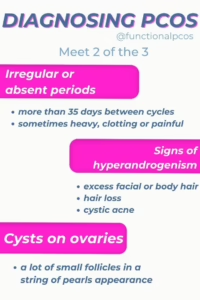
To be diagnosed with PCOS, your doctor will likely look to see if you meet something called the Rotterdam Criteria for diagnosis [National Institute for Health, 2023]. You can begin your PCOS self-assessment by checking to see if you meet these criteria. In order to qualify you’ll need:
- Irregular or absent periods (35 days or longer between periods)
- Signs of hyperandrogenism (increased body or facial hair growth or hair loss, cystic acne)
- Cystic ovaries (small cysts on the ovaries, typically looks like a string of pearls on transvaginal ultrasound)
If you meet 2 of the 3 of the above criteria in this pcos self assessment, you may be diagnosed with PCOS or recommended for further testing like lab-work. But once you have your PCOS diagnosis, you want to dig even further!
Root Cause PCOS Quiz for PCOS Self Assessment
As I mentioned above, PCOS symptoms are driven mostly by metabolic issues. In functional nutrition, I call these the “root causes” of PCOS. These don’t represent where your genetic predisposition to PCOS came from. Instead, they tell you what is keeping your symptoms flared.
Understanding the root causes of PCOS is an important part of a PCOS self assessment and can help you get a real handle on your hormonal balance and actually achieve an equilibrium, something I help you with in great detail in the PCOS Foundations program.
I created a root cause quiz to give you further information and insight: PCOS Root Cause Quiz.
This quiz is also special because not only will it help you understand IF you have PCOS but WHY you may have it. It will give you a percentage of your likely root causes so that you can look further into nutrition for each. After you take the quiz, come back to the blog and you’ll find tons of free resources and information here!
Can Functional Nutrition help PCOS? |PCOS Self Assessment Quiz & Guide
A functional approach to health and nutrition for PCOS start by using food as a holistic way of helping the body balance and heal. Functional nutrition looks at your PCOS hormone imbalances as symptoms of deeper issues.
Most PCOS symptoms are actually deeply metabolic and stem from three major root cause issues. These root causes are insulin resistance, inflammation, and adrenal dysfunction (overactive stress hormones. Here are a few articles and resources to help you understand more:
Do I have PCOS? How to Tell if You Have PCOS
Beginners Guide to Nutrition for PCOS
Amber Fischer, Functional PCOS Nutritionist

My name is Amber Fischer and I’m the face and voice behind Functional PCOS. My goal with Functional PCOS is to help provide you with hope, education and lots of free resources to use food as a tool to improve your PCOS and your overall health. This PCOS self assessment quiz and guide is just one of those free resources and I have lots more you can find here on the blog, on my podcast or my social media channels.
I am a woman living with PCOS and remember searching for the tools to do a pcos self assessment on myself back in the day. It was so difficult to find resources to support my journey back then so I went back to school to learn more about nutrition and specialize in the management of PCOS.
I am now a certified nutrition specialist with a Master’s Degree in Integrative and Functional Nutrition. I also have nearly a decade of experience working with PCOS clients. You can find more about me here.
PCOS Meal Plans and Courses
One of my passions is PCOS education and I’ve created a couple of online courses, meal plans and PCOS programs to help you better understand and assess your PCOS.
These courses are all budget friendly. They come with meal plans, grocery lists, and other helpful resources and tools to get you on the right track!
I hope this PCOS self assessment has been helpful for you and you’ve found some resources to start you on your journey to better balanced hormones.
What is PCOS and why is self-assessment important?
Polycystic Ovary Syndrome (PCOS) is a hormonal disorder affecting women of reproductive age, characterized by irregular menstrual cycles, excess androgen levels, and polycystic ovaries. Self-assessment is important as it helps individuals recognize symptoms early, facilitating timely medical consultation and diagnosis.
What symptoms should I look for when self-assessing for PCOS?
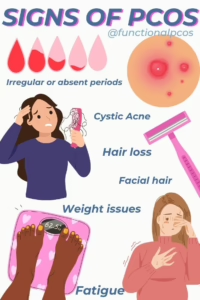
Common symptoms to monitor include irregular or absent menstrual periods, excessive hair growth (hirsutism), weight gain, acne, and thinning hair. Tracking these symptoms can provide valuable information for healthcare providers.
How can I track my menstrual cycle effectively for a PCOS self-assessment?
Utilize a calendar or a menstrual tracking app to log the dates and characteristics of your menstrual cycles, including cycle length, flow, and any associated symptoms. This data can help identify irregular patterns indicative of PCOS.
Are there specific lifestyle factors to consider in my self-assessment for PCOS?
Yes, consider factors such as diet, exercise habits, and stress levels. A balanced diet, regular physical activity, and effective stress management may influence symptoms and overall health, providing insight into your condition.
When should I seek medical advice after self-assessing for PCOS?
If you notice persistent irregularities in your menstrual cycle, significant weight changes, or other concerning symptoms, it is advisable to consult a healthcare provider for a comprehensive evaluation and potential diagnosis.
What tests might a healthcare provider recommend for a PCOS diagnosis?
A healthcare provider may suggest blood tests to measure hormone levels, an ultrasound to examine the ovaries, and other assessments to rule out related conditions. These tests help confirm a PCOS diagnosis based on the self-assessment findings.