Diet Strategies for Insulin Resistant PCOS | How do I eat for PCOS Insulin Resistance?
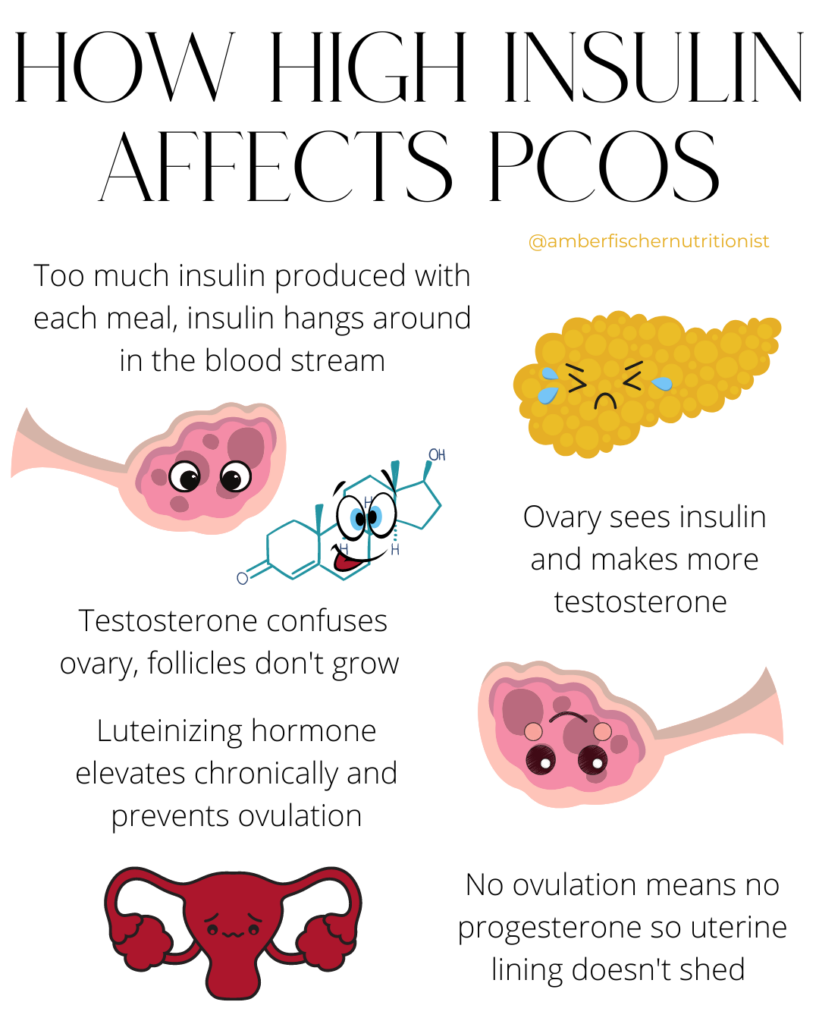
If you’re aware that you have Insulin Resistant PCOS, you’re probably wondering how you can heal or fix it with nutrition or diet. Make sure you have a firm grasp of what Insulin Resistant PCOS is and the signs and symptoms of it like I discuss here first.
You know all about what insulin resistant PCOS is and all the issues it can cause, so let’s talk about how to actually FIX it.
In more than a decade of professional experience as a licensed nutritionist for PCOS, I’ve helped thousands of women improve their insulin resistant PCOS with diet strategies alone.
This is really where the magic happens because managing your insulin resistant PCOS (and having fewer pcos symptoms) is as easy as balancing out your lifestyle. And as a bonus, as you make these changes, you will likely feel more energetic, more mentally clear, have better skin, sleep better, and live longer so it’s definitely worth doing!
These are the 3 Top Expert Strategies for Managing Insulin Resistant PCOS with nutrition:
1. Higher Protein/ Low Glycemic Diet
The first step in balancing your blood sugar with insulin resistant PCOS is eating enough protein. Protein is highly filling, slows the release of sugars into your bloodstream, and acts as an insulin agonist, preventing the pancreas from pumping out too much insulin.
What is a high protein diet?
Aim for at least 20g of protein per meal and 10g of protein with your snacks. If you can go higher than that, it can be even better depending on your goals but 20-30g per meal should keep your blood sugar better balanced.
What is a low glycemic diet?
Low glycemic foods are foods that don’t spike blood sugar as much or as rapidly. You want to stick to eating more of these foods in order to keep your blood sugar more stable:
- Low starch vegetables like broccoli, zucchini, cauliflower, spinach, greens, summer squash, tomato, onion, etc
- Low sugar fruits like berries, green apples, and citrus
- Complete proteins like seafood, salmon, chicken, beef, pork, eggs, and soy
- High fiber starches in moderation like brown rice, legumes, whole grain breads
2. High Fiber Diet
Fiber is key in reducing blood sugar spikes and insulin resistant pcos because it slows the release of sugars into the blood stream. It keeps you full and it also feeds beneficial gut bacteria. The center of much of our epigenetic expression actually takes place in the gut, so a healthy gut helps keep insulin resistant pcos at bay.
How much fiber should we eat for PCOS?
Aim for about 35g of fiber a day to start. Try to meet this with food but if you cannot, incorporating a fiber supplement can be a helpful adjunct.
3. High Antioxidant, Anti-inflammatory Mediterranean-Style Diet
Chronic inflammation is common in PCOS and is one trigger for insulin resistant pcos. Eating an anti-inflammatory diet like the Mediterranean diet can help reduce that inflammation and improve blood sugar balance. These kinds of diets are naturally high in fiber as well!
What makes a diet anti-inflammatory?
An anti-inflammatory diet includes lots of plant foods, healthy oils, and high quality proteins. These foods contain ample vitamins, minerals, polyphenols and flavonoids that help calm inflammatory molecules in the body.
Plant foods (like the low glycemic foods mentioned above) are key for an anti-inflammatory diet. Make sure to include a daily serving of a leafy green like spinach, kale, or collards to get a major boost of antioxidants and nutrients. Additionally, diets high in fish oils, and monounsaturated fats from olives and avocado are also powerfully anti-inflammatory!
The ideal template for an anti-inflammatory diet is the evidence based version of the Mediterranean diet.
What is the Mediterranean diet for PCOS?
The Mediterranean diet is a standardized diet paradigm based on pre-1960’s Greek diets. It focuses heavily on fresh fruits and vegetables, whole grains, and seafood. There’s lots of great evidence for improved PCOS symptoms, including improved insulin resistant pcos when following this diet. So much so that I have a detailed article and podcast on how exactly to do the Mediterranean Diet for PCOS here.
I know this may be feeling like a lot at this point. It’s common to get that insulin resistant pcos diet overwhelm at the beginning of the process of changing your lifestyle. That’s why I created PCOS Foundations, my self paced PCOS starter course.
PCOS Foundations goes into great depth on each of the PCOS root causes (spoiler- you may be dealing with the other two root causes as well!) and walks you through managing them all with diet and lifestyle effectively and as simply as possible. It comes with video modules, tons of resources, and even meal plans with recipes. Basically, PCOS Foundations will hold your hand through the lifestyle changes you need to manage your insulin resistant pcos step by step.
Lifestyle Changes for PCOS Insulin Resistance
Eating better and making focused diet changes will make the biggest difference for your insulin resistance but there are three lifestyle areas that should also be improved to see the best results.
1. More Activity
Regular movement is key PCOS. Our livers and muscles have storage capacity for sugars built in. When we need to move quickly, or we run out of available fuel, our body likes to pull from these storage spaces. To do this, we convert glucose into a storage form of sugar called glycogen. The more muscle we have, the more glycogen we can store and the benefit of that is it prevents our blood sugar from spiking so quickly!
Cardiovascular exercise like walking, running, cycling or dancing, burn up extra sugar in the blood and then use up storage glycogen. This leaves room in the muscles for the next time we eat and we can store some of it as glycogen instead.
Actively building muscle also burns glycogen, increases our metabolic rate, and makes you more insulin sensitive over the next 72 hours so it’s perfect to incorporate for insulin resistant pcos.
I usually recommend some form of daily cardio for at least half an hour, along with weight lifting activity at least twice a week.
2. Better Sleep
There’s no real way around this fact: you need to get enough sleep with PCOS. Why? Because when you don’t sleep enough, it boosts your stress hormones like cortisol and that raises your blood sugar! Studies show that consistently good sleep helps improve insulin resistant pcos. This is hard to do, of course, but I do have some tips for how to create an ideal PCOS sleep routine to help you here.
Aim for a lifestyle that prioritizes close to 8 hours of sleep per night.
3. Less Stress/ Lower Cortisol
Your body releases sugars from your muscles when it goes into fight or flight mode. The idea is to give you quick energy so you can survive, but in our modern world, these stress signals spike a lot! Each time the body releases that storage sugar, we end up with a spike in insulin!
Keeping stress levels at bay start with good sleep and includes a focus on boundaries, mindfulness, and other methods to improve adrenal health. We want to keep our body’s stress hormone, cortisol, as balanced as possible. Here’s my article on the top signs of high cortisol in PCOS that can help you see if this is part of the issue for you. Adrenal issues in PCOS are another of the main root causes of PCOS symptoms.
Supplements for Insulin Resistant PCOS
A few supplements have scientific backing for PCOS insulin resistance. These are great adjuncts to lifestyle changes like the ones mentioned above. To really improve insulin resistant pcos quickly, pairing one or two high quality supplements with diet and lifestyle changes is the sweet spot!
Inositols
Found naturally in the body, helps your body balance insulin release. You want the ideal 40:1 ratio naturally present in the body. This inositol blend is a 40:1 combination of myo to d-chiro inositol and in the right potency to match the best research studies.
Studies on inositols and PCOS have found increased ovulation, reduced insulin resistance, reduced symptoms like facial hair and weight loss.
N-Acetyl Cysteine
My favorite supplement for PCOS. I love NAC so much that I wrote an article on it’s numerous health benefits for PCOS. Regular supplementation of a high quality NAC can help with more regular periods, reduced facial hair, improved skin, and yes, better insulin sensitivity! It’s an incredible all-around addition to a PCOS insulin resistance friendly lifestyle.
For the best benefits, you want 500-1000 mg per day.
Omega 3s
Reducing inflammation can be a great way to improve PCOS insulin resistance. Inflammation stresses the body and creates a cascade of hormonal changes that lead to more volatile blood sugar and insulin. Studies show that regular omega 3 supplementation in PCOS not only reduces insulin but improves insulin sensitivity. The key with omega 3 supplements is potency and safety. You want at least 700 mg of EPA per day like you can find in this version.
Should I go low carb or keto for my PCOS insulin resistance?
I get it! If carbohydrates and sugars are what spike insulin, then doesn’t it make sense to reduce them in a low carb diet? Or even eliminate them almost completely in a ketogenic diet? And while in theory this might help (and you may see some early benefits of adopting this kind of diet) the longer term implications of going too low on your carbs are real.
In the short term, super low carbohydrate diets do reduce circulating insulin and blood sugar which can help with the symptoms of PCOS insulin resistance. I do often see early benefits to these kinds of diet approaches like weight loss, reduced hair growth, and increased energy.
But carbohydrates are not all bad. In fact, fiber is a type of carbohydrate! And fiber’s job, as we discussed earlier, is to feed those beneficial gut bacteria that play such a role in the expression of your genetics. Without a well-fed gut microbiome, we tend to develop longer term issues with health, digestion, and insulin resistance.
In fact, most people who transition out of a ketogenic diet find their insulin resistance symptoms are worse and there is metabolic damage that needs to be cleaned up. Too low calorie and carb diets also contribute to nutrient deficiencies that can make us more prone to weight gain and pcos insulin resistance.
So my professional recommendation? Stay away from super low carb diets.
However, there is merit in reducing your carbohydrates somewhat by focusing on higher protein, more plant foods and fiber, and more whole foods. If you eat like we discussed earlier, or like I cover in PCOS Foundations, you will naturally follow a healthy low carbohydrate paradigm!
Diet Strategies for PCOS Insulin Resistance Podcast- An Amber a Day Functional PCOS Podcast Episode 40
Here is the PCOS Insulin Resistance Podcast I mentioned before. It covers a lot more on different diet types (including low carb and keto diets) and how they might help or harm your PCOS Insulin Resistance.
In today’s episode, Amber continues her series on diet approaches for the different types of PCOS. Today’s episode is focused on strategies for PCOS Insulin Resistance. She discusses her thoughts on typical diet approaches like keto and low carb and what she sees work best in practice.
In this insightful episode of “An Amber a Day,” Amber delves into diet strategies tailored specifically for managing PCOS insulin resistance. With her expertise as a leading functional nutritionist, Amber sheds light on the challenges faced by individuals with PCOS insulin resistance and offers practical solutions for achieving hormonal balance through nutrition.
FAQs about PCOS Insulin Resistance
Conclusion | PCOS Insulin Resistance
I hope these strategies help you to make sense of your insulin resistance issues and start making some positive changes.
If you’d like more depth and a plan that walks you through all of this, you’d likely love my s, PCOS Foundations is the best place to start. I also highly recommend this other articleon PCOS insulin resistance